
Last updated
How Many Restrooms Does a Farm Crew Need?
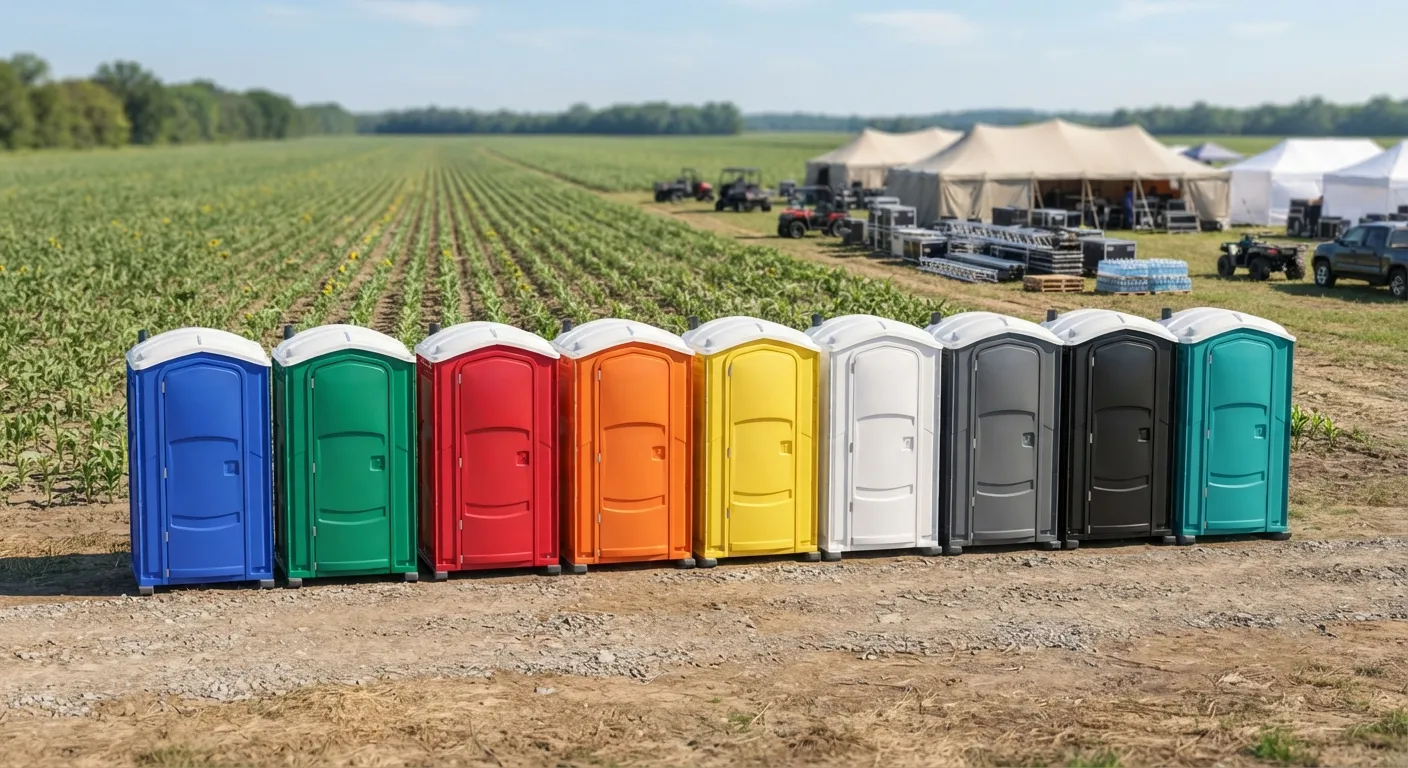
Field sanitation for hand-labor employees falls under OSHA 1928.110, which calls for potable water, toilets and handwashing within a quarter mile walk of the work, at a rate of one facility per 20 employees. That is the baseline Amarillo Porta Pros builds from when a ranch outside Bushland, 14.4 miles west of Amarillo, or an operation near Umbarger, 28.1 miles southwest, calls about a seasonal crew. A 20-person crew usually needs one standard porta potty rental placed centrally; a 40-person harvest crew running two fields needs two units, moved as the work moves. Construction crews on the same property follow a different ratio, OSHA 1926.51(c)(1), which covers 1 toilet for 20 workers or fewer and scales up from there. Farms with mixed crews, field labor plus a building project, sometimes need both standards applied to different areas at once. We help sort that out on a quick site call before we quote a porta john rental or a full multi-unit setup. Water matters too. OSHA 1926.51(a)(1) requires an adequate supply of potable water at any place of employment, so we pair toilet placement with a water plan rather than treating them as separate asks. Use the how many porta potties do I need guide if you are still working out headcount, and check OSHA portable toilet requirements for the fuller breakdown by crew size.
Where Should Units Go on a Working Farm?
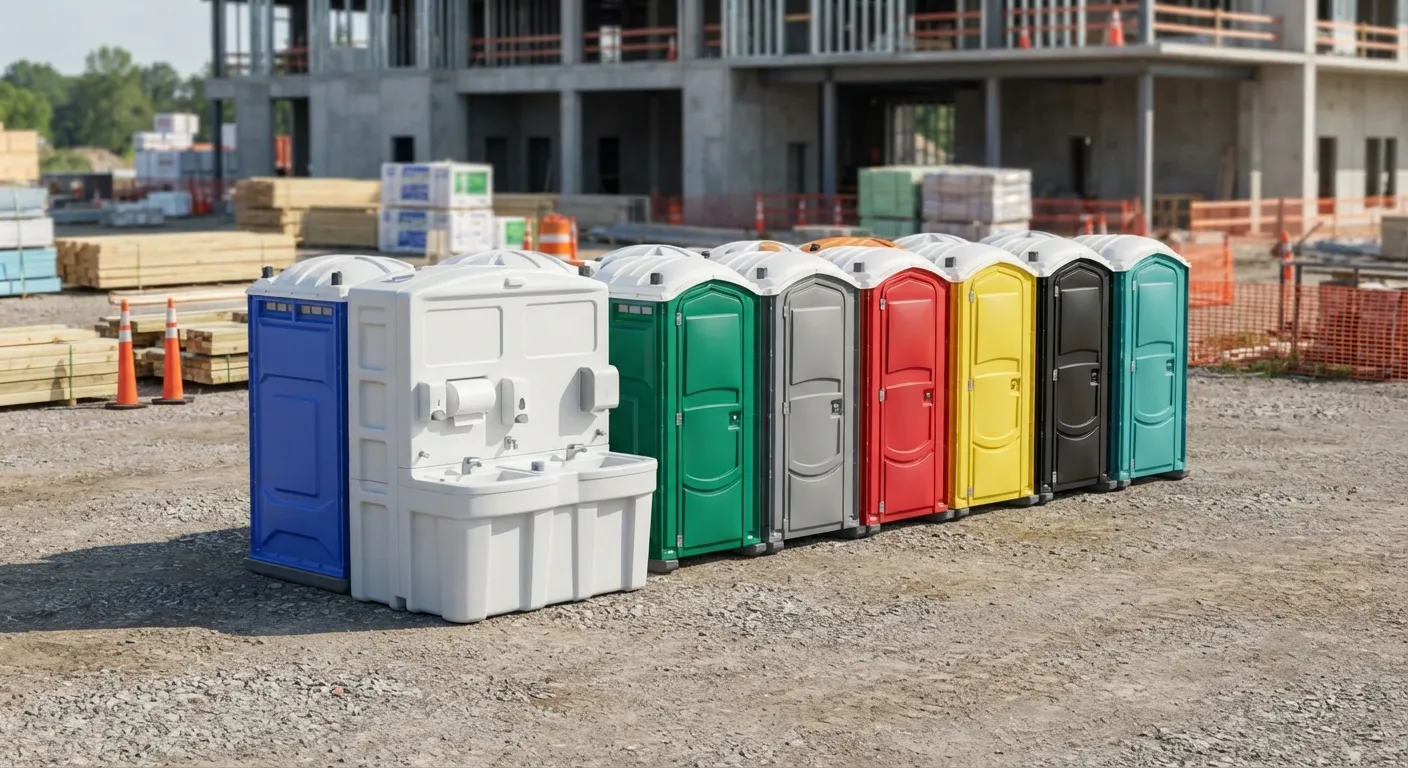
Put the unit where the crew actually is, not where the driveway ends. Standard units run about 44 by 48 inches on the ground and stand roughly 92 inches tall, small enough to fit on a headland or turn row without eating into planted acres. Delivery trucks need about 60 feet of straight clearance behind the drop point, which matters more on farm ground than in town, since irrigation risers, fence lines and grain trailers all compete for that same lane. Amarillo Porta Pros scouts access before the truck rolls, especially on properties near Canyon, 18.5 miles south of Amarillo, where caliche roads and canyon terrain can narrow the approach. If the crew moves with the crop, we schedule the portable toilet rental to move with them, billing week to week instead of locking into a single fixed spot for a six-week harvest. Cattle operations and dairies often want a wash station near the toilet, not just for comfort but because OSHA 1926.51(f)(1) requires washing facilities where employees apply pesticides, herbicides or other contaminants, a common task on row-crop ground. A handwashing station rental or portable sink rental placed next to the toilet covers that requirement without a second delivery trip. For bunkhouses or seasonal housing, 29 CFR 1910.141(d)(2) requires soap and towels or a hand-drying device at washing facilities; hand sanitizer alone does not satisfy it, so we stock every unit accordingly.
What Does It Cost to Rent for a Full Season?
| duration | typical range |
|---|---|
| day | $100 to $350 |
| week | $130 to $500 |
| month | $125 to $325 |
Most row-crop and cattle operations rent by the month once planting or calving season settles into a routine, since a monthly porta potty rental works out cheaper per day than restarting a weekly contract every few weeks. Harvest crews that only need coverage for a defined window often do better on the week rate, especially if the crew disbands right after. A short weekend job, branding day or a one-time equipment repair crew, runs as a flat quote rather than the weekly rate. Delivery fees stack separately, and a farm spread across several sections may need more than one delivery stop billed individually. For farms weighing daily against seasonal terms, the porta potty rental cost and porta potty rental per day pages break down the full pricing logic. If your operation also runs a construction or fencing project alongside the farm labor, bundling those construction site services into one delivery schedule usually saves a trip. Amarillo Porta Pros services accounts across the region, including toward Washburn, 16.1 miles east of Amarillo, on the same route as farm stops, which keeps delivery fees on the lower end of the band.
Do farms need ADA-compliant units?
Only if the operation opens the property to visitors, customers or agritourism guests alongside the labor crew. ADA Standards 213.2 requires at least 5 percent of clustered units be accessible, never fewer than one. Pure labor crews on private ground are not bound by this. See ADA accessible porta potty for specs.
How often do units get serviced during harvest?
The baseline is one visit a week for up to 10 users over a 40-hour week, per ANSI/PSAI Z4.3. Larger crews or longer days need more frequent service. Amarillo Porta Pros adjusts the schedule as crew size changes through the season. Details at how often are porta potties cleaned.
Can units handle West Texas heat and wind?
Yes, standard units are built for outdoor exposure and get anchored against wind on open ground. Placement away from irrigation lines and equipment paths matters more than the weather itself. See the porta potty placement guide for anchoring and siting details specific to open fields.
What happens in winter on the ranch?
Units still function but servicing schedules shift and tanks need freeze protection in sustained cold. Amarillo winters bring hard freezes often enough that we plan for it. Full guidance is on porta potty in winter.
Do you serve properties outside Amarillo city limits?
Yes. Amarillo Porta Pros delivers to ranches and farms throughout the region, including toward Bishop Hills, 10.5 miles northwest, and other outlying communities. Check service areas or request a quote with your property location.
Next step
Get a delivery date
Tell us the address, the dates and the headcount. We size the order and confirm the route.