
Last updated
How fast can you deliver during an emergency?
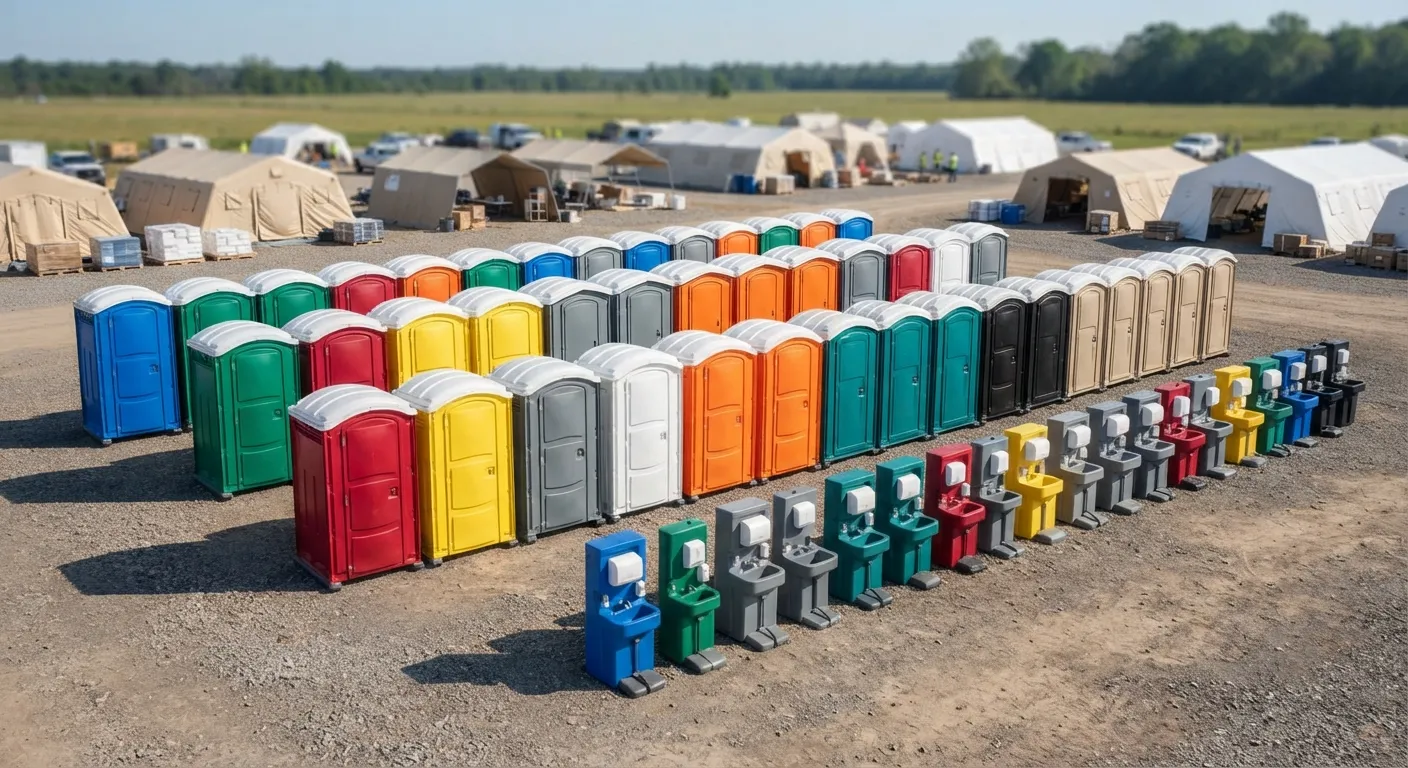
Call first, and we start routing trucks the same day. Response work does not follow a normal booking calendar, and our emergency porta potty rental service exists for exactly this reason: floods, ice storms, grid failures and mass-casualty staging areas do not wait for a Monday delivery window. A roll-off delivery needs about 60 feet of straight clearance behind the truck, so shelter parking lots and open fields near Amarillo work better than tight residential drives. If a shelter site sits near Bishop Hills, about 10.5 miles northwest of Amarillo, or out toward Bushland, 14.4 miles west, we plan the route before the truck leaves the yard. For active-shooter, wildfire or flood staging, our disaster relief sanitation crews coordinate directly with whoever is running the site, whether that is a county office or a church running an informal shelter. We also supply temporary fence rental to secure a staging perimeter and light tower rental units so crews and evacuees are not working in the dark once the sun goes down on a multi-day response.
What do shelters and staging sites actually need?
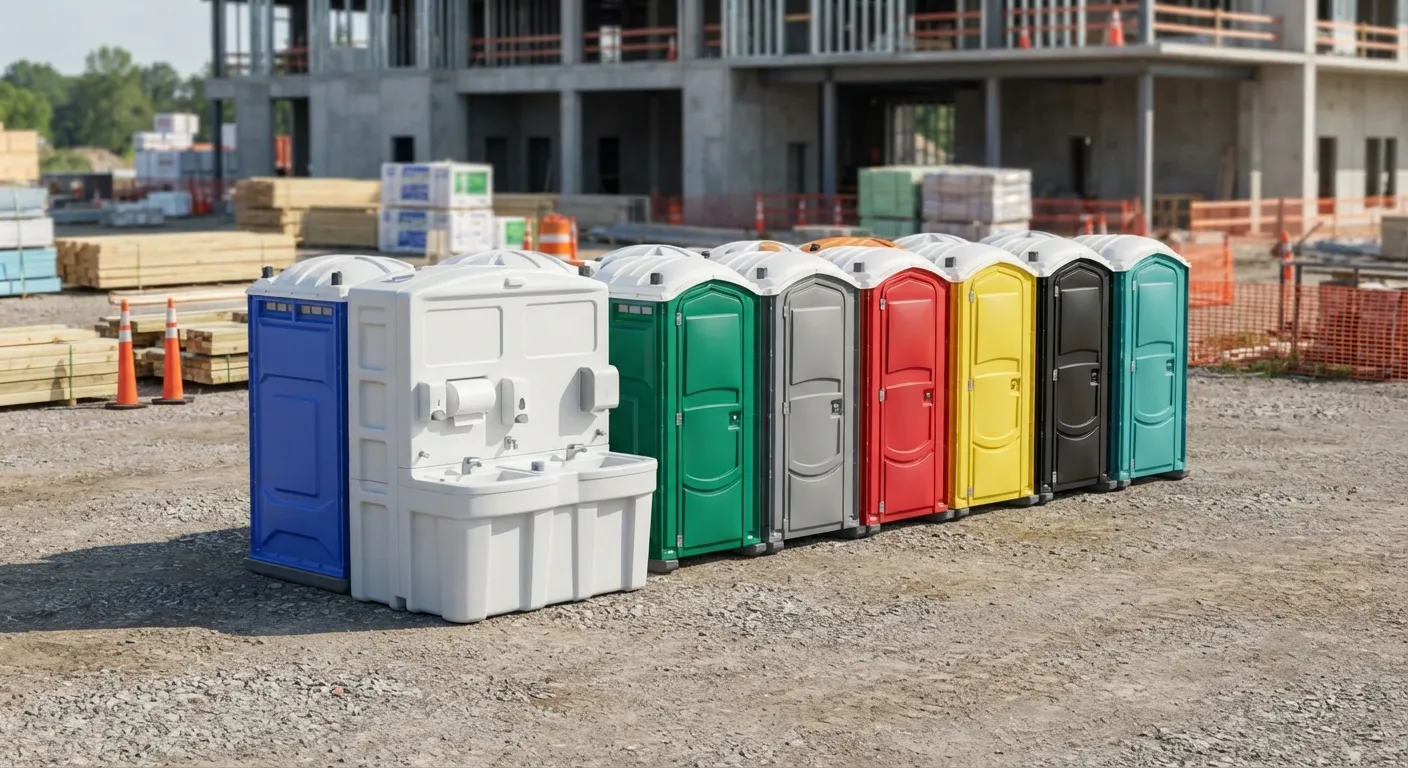
Every shelter needs toilets, water and a way to wash hands, and OSHA 1926.51(c) sets the baseline most responders use: one toilet facility for 20 workers or fewer, scaling up as the roster grows past that. A displaced-persons shelter is not a construction site, but the ratio still gives coordinators a working number when nobody has time to run a formal headcount. Our standard porta potty rental units carry a 60 to 70 gallon holding tank and stand about 92 inches tall, and a cluster of them turns an empty gym parking lot into a functioning intake point within an afternoon. OSHA 1926.51(a)(1) also calls for an adequate supply of potable water at any place of employment, which matters once National Guard, utility crews or Red Cross volunteers are working twelve-hour shifts on-site. We pair those units with a handwashing station rental or a portable sink rental so 29 CFR 1910.141(d)2 requirements for soap and towel or air-dry access are actually met, not just implied. Hand sanitizer alone does not satisfy that standard. For sites housing anyone with mobility limitations, ADA Standards section 213.2 requires that at least 5 percent of a clustered toilet bank be accessible, and never fewer than one unit, which is why we always mix in an ADA accessible porta potty rather than sending a fleet of standard units alone.
Is fresh water and holding tank capacity a concern in a long response?
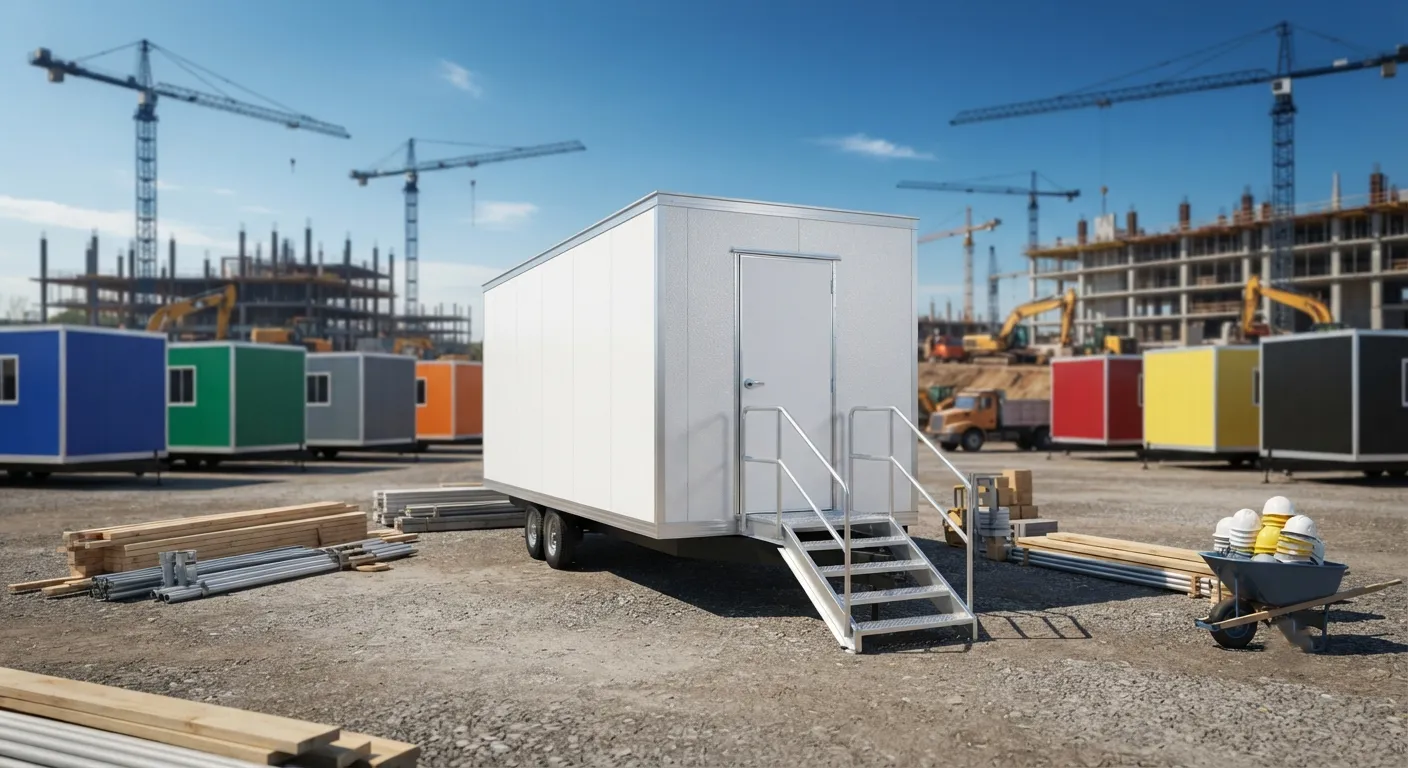
Yes, and it is usually the first thing that runs short. A holding tank rental gives a shelter or command post a buffer when municipal service is disrupted or when a septic system is already at capacity, and our septic pumping service can service those tanks on a rotation instead of waiting for a call. A typical residential tank is pumped every 3 to 5 years under normal use, but disaster staging pushes volume far past that baseline, so we schedule pumping by actual fill level rather than a calendar. Restaurants and mess tents feeding responders should also watch grease buildup, since a grease interceptor needs pumping once fats, oils, grease and solids hit 25 percent of the liquid depth, and our grease trap pumping crews check that during routine rounds. For multi-week deployments we also bring in restroom trailer rental units, including a 4 stall restroom trailer for larger shelter populations, and storage container rental for supplies, generators or donated goods that need to stay dry and locked. If debris is piling up faster than crews can clear it, a roll-off dumpster rental keeps a staging site from turning into its own hazard, and OSHA 1926.25 housekeeping rules on clearing scrap and debris apply just as much to a relief site as a job site.
What does emergency sanitation cost?
| unit | duration | typical price |
|---|---|---|
| standard toilet | day | $150 |
| standard toilet | week | $200 |
| ADA unit | day | $230 |
| holding tank service | day | $250 |
Rates run inside normal rental bands even under emergency conditions, though delivery fees can climb when trucks are rerouted on short notice. Full pricing detail lives on our porta potty rental cost and porta potty rental per day pages, and longer deployments should check monthly porta potty rental rates before committing to a multi-week contract.
How many toilets does a shelter of 200 people need?
At 200 or more workers, OSHA 1926.51(c) calls for one toilet seat and one urinal per 50 people, though a shelter mixing families and staff should plan closer to the field-level ratios. Use our how many porta potties do I need guide, and add ADA units per the 5 percent minimum.
Can you deliver to a shelter outside Amarillo city limits?
Yes. We route to Canyon, 18.5 miles south, Washburn, 16.1 miles east, and points further out like Umbarger, 28.1 miles southwest. Check our service areas page or call ahead so we can confirm road access before dispatch.
Do portable toilets need permits during a declared emergency?
Placement in the public right of way still needs confirming with the city even during a response. Contact us or check our porta potty permit requirements page, and we will help coordinate with whoever has jurisdiction over the shelter site.
What happens if a storm knocks out power to a staging site?
We bring light tower rental units and can arrange a temporary power pole for command posts or medical tents. Sanitation units themselves do not need power, so toilets and handwash stations stay functional through an outage.
How do you clean units during a multi-week deployment?
Service follows usage, not a fixed calendar, though ANSI/PSAI Z4.3 sets a baseline of one visit per week for up to 10 users over a 40 hour week. High-traffic shelters get serviced daily. See how often are porta potties cleaned for the full breakdown.
Next step
Get a delivery date
Tell us the address, the dates and the headcount. We size the order and confirm the route.